When You Need an Oral Surgeon: Common Procedures and Benefits
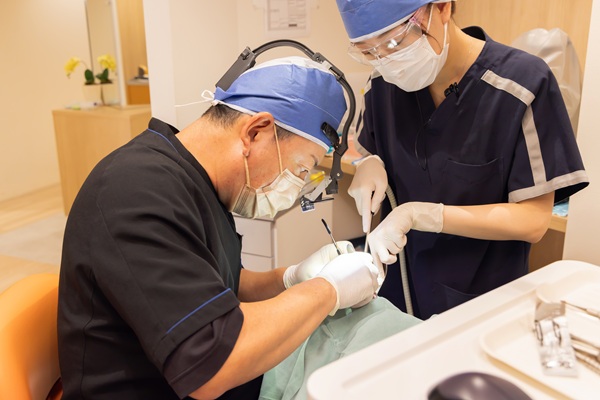
An oral surgeon provides specialized care for complex problems that go beyond routine dentistry. When teeth, gums, or jawbones need surgical treatment, this expert steps in to protect health, comfort, and function. Many cases in a general or cosmetic practice may require referral to an oral surgeon for precise procedures, advanced imaging, and comfortable sedation options. Understanding when this specialist helps and what to expect makes decisions easier and outcomes more predictable.
The role of an oral surgeon
An oral surgeon specializes in the surgical treatment of the mouth, jaws, and related structures. Training centers on tooth removal, implant placement, bone grafting, jaw correction, and treatment for facial injuries and infections. This specialist also evaluates oral lesions and can perform biopsies when a lesion requires closer examination. The goal remains the same across procedures—restore comfort, protect function, and support a healthy smile.
Common reasons for an oral surgeon referral
Some dental problems require surgical skill, special tools, or deeper anesthesia. A dentist may recommend a specialist when any of the following situations occur:
- Impacted or problematic teeth that crowd or cause discomfort
- Missing teeth that need dental implants or bone grafting for support
- Severe decay, fractures, or root issues that make extractions safer in a surgical setting
- Jaw misalignment that affects chewing, speech, or facial balance
- Cysts or suspicious lesions that require biopsy or removal
While this list is not exhaustive, it serves as a starting point for many patients who do not have a regular dental checkup schedule. Of course, a general dentist who lacks extensive training in surgery will refer suspicious cases to an oral surgeon.
Explanation of key oral surgery procedures
Wisdom tooth removal
Wisdom teeth typically erupt in patients' late teens to early adulthood. By this time, all other permanent teeth have typically erupted and are firmly in place. When wisdom teeth develop, they may not have sufficient room to fully erupt above the gum line, forcing them to become impacted or poorly positioned. They can press on nearby teeth, trap bacteria, and irritate gums. An oral surgeon removes these teeth through small openings, protecting nearby nerves and bone.
Surgical tooth extractions
Wisdom teeth are not the only reason a patient may need an extraction. Broken or deeply decayed teeth may not come out easily with simple tools. While general dentists can typically handle simple extractions, which involve wiggling and pulling the tooth from its socket, an oral surgeon is necessary for surgical extractions. Surgery involves creating incisions in the gums and possibly removing portions of the alveolar bone to free the tooth from its socket and placing stitches.
Dental implants
Dental implants are considered the gold standard for replacing missing teeth due to their stability, longevity, and ability to preserve surrounding structures. While general dentists can address alternatives like dental bridges or dentures, an oral surgeon's expertise is required to handle the more complex procedures associated with dental implants. Dental implants require two surgeries. The first is to insert the implant post into the jawbone, and the second is to attach the abutment to the implant post.
Bone grafts
When a tooth is missing, bone resorption can occur, causing facial deformities (depending on the number of missing teeth) and the inability to receive permanent restorations. An oral surgeon can perform a bone grafting procedure, which typically involves using synthetic material that simulates real bone and placing it in the area that is resorbing.
Oral pathology and biopsies
Any lump, ulcer, or color change that does not resolve needs evaluation. A biopsy provides answers and guides next steps, such as whether surgery and extended treatment are necessary. Early diagnosis supports better outcomes and peace of mind.
The ideal candidate for oral surgery
Most healthy teens and adults qualify for common procedures. Certain conditions, like diabetes, blood thinner use, or tobacco and nicotine use, require extra planning or alternative considerations. An honest medical history enables the team to adjust medications, select the safest anesthesia, and schedule procedures wisely. With the right plan, many patients experience a smooth recovery and achieve strong long-term outcomes.
What to expect when visiting an oral surgeon
A typical visit begins with a consultation that includes X-rays or a 3D scan, a thorough medical review, and a clear explanation of treatment options. The specialist outlines steps, anesthesia choices, costs, and recovery tips. On the procedure day, comfort and safety guide each decision. Aftercare instructions explain how to control swelling, keep the area clean, choose soft foods, and return to normal activities. Follow-up visits confirm healing and prepare for the next phase, such as implant restoration.
Schedule a consultation
An oral surgeon is the right choice when dental problems require advanced skills, precise planning, and comfortable sedation. Are you in need of an oral surgeon? Contact Dr. Call Dental Center and schedule a consultation.
Request an appointment here: https://drcalldental.com or call Dr. Call Dental Center at (706) 425-6240 for an appointment in our Dalton office.
Check out what others are saying about our dental services on Yelp: Oral Surgery in Dalton, GA.
Related Posts
Many dentists refer patients to an oral surgeon when certain treatments are necessary. Read on to learn more about which procedures are usually performed by an oral surgeon. This can help ensure the safest and most effective treatment possible as a part of a dentist’s recommended treatment plan.Every oral surgeon decides which oral surgery procedures…
Many people will need to visit an oral surgeon for a tooth extraction at some point in their life; in fact, American Family Physician reports that 22 percent of people have experienced this issue. Whether your tooth is infected and rotting or you just need to make space in your mouth for your other teeth,…
When ready to get dental implants, it is important to understand how the procedure works and which provider to visit for the surgery. An oral surgeon is typically going to be the right choice since they have extensive experience in placing dental implants and conducting oral surgery in general.It is important to understand that dental…
A tooth replacement procedure is vital if you are missing teeth. You will be happy to know that there are multiple options available to restore your smile. If you are missing a few or many teeth but have healthy natural teeth remaining, partial dentures make a lot of sense. This solution can improve your appearance…