What to Expect When Replacing Missing Teeth With a Dental Bridge
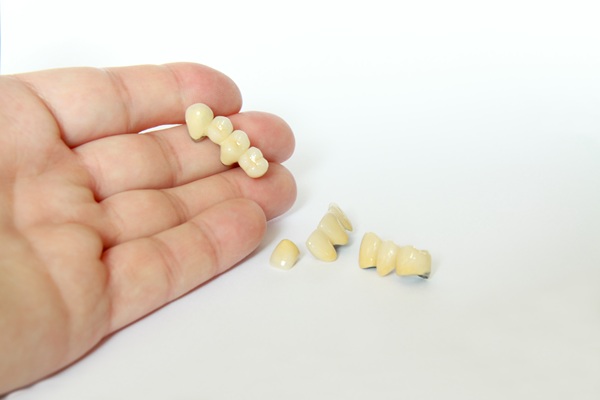
A dental bridge is a reliable method for replacing missing teeth, helping individuals restore their chewing ability and improve the appearance of their smile. Empty spaces left by lost teeth create noticeable issues over time. Fortunately, this tooth replacement option prevents adjacent teeth from drifting into the space and restores a balanced bite. A clear understanding of the treatment timeline gives patients confidence throughout the entire treatment process.
The structure of a dental bridge
A dental bridge is a fixed restoration designed to span the gap created by one or more missing natural teeth. The structure consists of an artificial replacement tooth, referred to as a pontic, which sits securely between two anchor teeth. These neighboring support teeth receive custom dental crowns to hold the pontic in place. In cases where adjacent natural teeth cannot provide support, the dentist may recommend dental implants to serve as strong structural anchors.
When patients leave gaps from missing teeth untreated, it can create domino effects throughout the entire mouth. The surrounding teeth gradually drift toward open spaces, altering proper alignment and causing bite misalignment. Shifting teeth can increase wear, jaw discomfort, and the risk of decay. Fortunately, a dental bridge stabilizes the dental arch, preserves original alignment, and maintains a balanced bite.
When dentists recommend a dental bridge
Restorative dentists recommend this treatment when patients lose one or consecutive teeth while maintaining strong neighboring support structures. Candidates must possess healthy supporting teeth and sufficient bone structure to ensure long-term stability. That said, implant-supported options are ideal when patients need to replace multiple consecutive teeth in a single arch.
When evaluating patients for dental bridges, the dental team will perform a thorough exam and take digital imaging. They will consider the following factors:
- The exact location and length of the empty dental space
- The structural integrity and health of neighboring natural teeth
- Overall periodontal tissue stability and bone density levels
- Daily oral hygiene habits and systemic health factors
- Specific patient goals regarding functional stability and longevity
- Individual bite mechanics and occlusion pattern analysis
A careful evaluation before determining the right tooth replacement option ensures the individual has access to the best possible materials and structural approaches.
The dental bridge placement process
Securing a dental bridge typically requires two separate office visits to complete the process. Initial appointments focus on preparing the anchor teeth by removing a small portion of enamel. Precision preparation creates space for protective crowns while ensuring proper alignment. Impressions or digital scans record accurate dimensional measurements for the custom restoration.
While the dental lab creates the permanent bridge, the dentist can place a temporary restoration to protect the prepared teeth. Once the restoration arrives, the second visit involves removing the temporary piece, ensuring it fits properly, and permanently cementing the new bridge into place. This thorough final placement ensures comfort and long-lasting durability.
Maintenance and oral hygiene standards
Keeping areas around fixed bridge restorations clean is important for long-lasting dental health. If plaque builds up around the pontics, it can harm nearby teeth and gums. To avoid this, patients need to brush their teeth daily and use tools such as dental floss threaders, water flossers, or interdental brushes to remove food and plaque. Additionally, routine professional cleanings and examinations allow dental teams to monitor structural integrity and oral health status.
While oral hygiene is important, patients should also make conscious dietary choices to protect the integrity of restorations. Minimizing hard foods, ice chewing, and sticky confections protects cement bonds and ceramic surfaces. Consistent preventive care allows modern dental bridges to last ten to fifteen years or longer.
Healing and adapting to the bridge
Adaptation following final bridge placement usually occurs quickly over several days. Mild thermal sensitivity or minor bite awareness can happen initially as surrounding tissues adjust. Gentle chewing on soft foods during the first few days helps patients adjust smoothly to new biting surfaces. Dental teams make minor bite adjustments if any uneven contact points persist.
Long-term expectations
Modern dental bridges made from ceramic and porcelain materials offer durability and natural aesthetics. These materials mimic natural tooth translucency, blending seamlessly with the surrounding teeth. Through consistent oral hygiene and regular dental checkups, patients can preserve both their initial cosmetic appearance and underlying structural stability for decades.
Schedule a consultation at our Dalton office
Are you considering your tooth replacement options? Replacing missing teeth with a custom dental bridge helps you eat, speak, and smile confidently. Schedule a consultation with the Dr. Call Dental Center team today to find the most effective treatment method for your smile.
Request an appointment here: https://drcalldental.com or call Dr. Call Dental Center at (706) 425-6240 for an appointment in our Dalton office.
Check out what others are saying about our dental services on Yelp: Dental Bridges in Dalton, GA.
Related Posts
Choosing a dental bridge can restore a complete smile and make everyday tasks feel easier again. Missing teeth change chewing, speech, and face shape, but a well-planned bridge brings balance back. With the right design and consistent home care, a dental bridge can look natural, feel comfortable, and support long-term oral health.A dental bridge fills…
Dental bridges can replace missing teeth effectively and often without needing surgery. Not only will this restore the smile, but it also helps patients avoid the negative oral health effects of missing teeth. A general dentist can determine whether a patient is a good candidate for bridges in a consultation. However, learning the basics can…
Dental bridges are a non-invasive restorative option for replacing missing teeth. However, they require proper care and maintenance to maintain the bridge and the surrounding teeth and gums. A general dentist can provide personalized instructions on caring for one’s bridge according to its type, location in the mouth, and other factors. However, patients can get…
A dental bridge can be used to replace one or a few missing teeth. As the name suggests, these oral restorations bridge gaps between teeth, restoring their appearance and functionality. Dental bridges are customized for each patient to ensure the restoration matches the size and color of the rest of their teeth.Dental bridges are made…