3 Things You Should Know About Teen Orthodontics
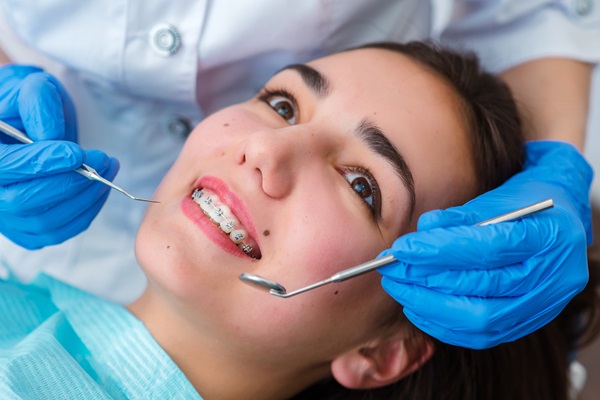
Considering teen orthodontics for your child? Read on to learn more. As the world of orthodontics evolves rapidly, both in technology and techniques, teens and their parents need to be well informed. Teen orthodontics is more than just straightening teeth. This transformative journey brings with it questions, curiosities, and occasional apprehensions.
3 Things to know about teen orthodontics
Teens form a significant percentage of orthodontic patients. The teenage years are pivotal in many ways, and dental health is no exception. As parents and guardians, understanding teen orthodontics is crucial in guiding teens through this transformative journey. Here are three facts to know:
1. The ideal age for starting orthodontic treatment
The teenage years are a period of rapid growth and development. Bones, including those in the jaw, are still growing, making them more amenable to adjustments. This phase provides dentists with a dynamic environment, enabling efficient alignment and spacing corrections.
While the adolescent period is optimal for orthodontic treatments, early detection is still key. Some dentists recommend an initial assessment around age seven. This does not mean the child will need braces immediately, but it provides a roadmap for future interventions. When the child reaches their teenage years, a more comprehensive treatment plan can be crafted, benefiting from the early evaluations.
2. Types of orthodontic appliances for teens
The world of orthodontics has gone beyond the traditional image of chunky metal braces and awkward headgear. Today's teen, standing in the middle of technological advancements and innovative design, has access to many orthodontic appliances tailored to individual needs and lifestyle preferences. The journey of achieving that straighter smile has become efficient and considerably more comfortable and discreet.
The following are the main types of orthodontic appliances available:
- Traditional metal braces: These are the classic stainless-steel braces, often the first thing that comes to mind when considering teen orthodontics. They consist of brackets adhered to the teeth and connected with a thin archwire. Periodic adjustments gradually move the teeth to their ideal positions. Modern metal braces are sleeker and more comfortable than their predecessors.
- Clear aligners: Clear aligners have gained popularity among teens due to their near-invisible nature. Custom-made plastic trays, replaced every couple of weeks, gently shift the teeth. Apart from their aesthetic appeal, they are removable, facilitating easier eating and cleaning. Aligners are often just as effective as braces but require full adherence to instructions.
- Ceramic braces: These function similarly to traditional braces but are made of translucent material, making them less visible. They are a great middle-ground for patients who want the efficiency of conventional braces but with a more discreet appearance. The archwire and bracket are customizable to the teen’s preferences.
- Lingual braces: These braces are fixed to the inner side of the teeth, making them invisible from the front. They can be a suitable choice for teens who are conscious about the aesthetics of braces but need more intensive adjustments than aligners can provide. This option is effective and requires the maintenance culture suggested for regular braces.
3. The importance of post-treatment retention
After the primary orthodontic treatment ends, the journey is not over. Teeth have a natural tendency to shift back to their original positions. This is where retainers come in. The retainer is custom-made to fit the newly aligned teeth and ensure that the teeth do not revert to their previous state.
There are two primary types of retainers: fixed and removable. Fixed retainers are thin wires worn at the back of the teeth, bonded in place. They can remain for years and are especially useful when there is a high risk of relapse. Removable retainers are typically made of clear plastic or acrylic and wire and are worn only for specific periods, typically at night.
Immediately after the teen orthodontics procedure ends, the patient will need to wear retainers regularly. As time progresses and the teeth stabilize, the usage frequency reduces. The general dentist will provide a tailored plan, but many professionals recommend nighttime wear indefinitely to prevent any future movement.
The bottom line
Embarking on the orthodontic journey during the teenage years can be a game-changer. Teen orthodontics addresses aesthetic concerns and functional issues that could affect one's quality of life. Understanding the importance of early assessments, knowing the options available, and emphasizing post-treatment care can make the orthodontic journey smoother and more effective. As with all medical decisions, it is essential to consult an experienced general dentist to craft a plan that suits the patient’s needs.
Request an appointment here: https://drcalldental.com or call Dr. Call Dental Center at (706) 425-6240 for an appointment in our Dalton office.
Check out what others are saying about our dental services on Yelp: Orthodontics for Children in Dalton, GA.
Related Posts
An implant dentist provides a long-term solution for missing teeth. They accomplish this through dental implants, which restore smiles by enhancing speech, chewing ability, and overall oral health while looking natural. By working with an implant dentist, patients can benefit from expert care that preserves jawbone health, protects surrounding teeth, and ensures lasting stability.An implant…
Dental implants are a long-term solution for missing teeth, but their longevity depends on proper care and professional maintenance. An implant dentist can help ensure dental implants remain in optimal condition for many years to come. Seeking an implant dentist’s care can help extend the life of your dental implants and preserve your oral health.Routine…
Dental laminates offer a conservative way for those seeking to refine their smile's appearance. As modern dentistry continues to evolve, these ultra-thin restorations provide a minimally invasive alternative to complete smile rejuvenation without the extensive removal of healthy tooth structure. By addressing minor dental issues through a personalized treatment plan, you can achieve a natural-looking,…
An implant dentist replaces missing teeth with durable, natural-looking dental implants. Choosing the right provider is essential for long-term success, as implants require precise placement and proper integration with the jawbone. Patients seeking a permanent solution for tooth loss can benefit greatly from the expertise of an implant dentist. Understanding the advantages of specialized treatment…