Cosmetic Dentistry Questions: What Can I Expect After the All-on-4® Procedure?
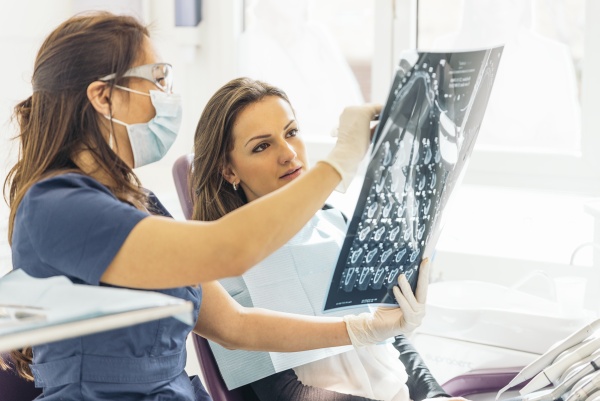
Placement of All-on-4® dental implants, like other surgical procedures, requires recovery time. Recovery from the surgery can last at least a week. However, there is a period of osseointegration that can take several months before the permanent dentures can be placed in the mouth. During this time, it is important that the patient follow the oral surgeon's instructions carefully. Failure of the dentures could result otherwise.
Postsurgical Symptoms
Symptoms associated with the All-on-4® procedure typically last only a few days to a week. The surgeon will provide specific instructions on coping with these symptoms, but here are some general guidelines.
Pain
Postoperative pain is normal after any surgery. If the pain is severe, the surgeon may prescribe narcotic pain medications. Patients should be careful to take these as directed and not operate machinery or drive while on pain medications because they cause drowsiness. If over-the-counter pain relievers, such as acetaminophen or ibuprofen, are sufficient to cope with symptoms, patients should use those instead to avoid the risk of becoming addicted to opioids.
Bleeding
It is normal for wounds to bleed slightly following the implant procedure. This can be controlled by resting quietly with the head elevated while biting gently on a damp piece of gauze for 30 minutes to one hour. Minimal bleeding of this nature may persist for two to three days following the surgery. During this time, saliva may appear blood-tinged or pink, which is normal.
Swelling
Swelling of the area during the postsurgical recovery period is common. It may persist for seven to 10 days after surgery. However, it usually reaches its peak within 72 hours and then gradually subsides. During the first 24 hours after surgery, patients can apply an ice pack to the area during waking hours for 20 minutes at a time, with at least 20 minutes without the ice pack in between. Patients can then begin warm, moist compresses after the initial 48 hours.
Oral Care
To improve the mouth's cosmesis, the oral surgeon places a temporary prosthesis in the mouth immediately following surgery. It is not intended for chewing foods that are hard or crunchy, and any attempt to do so may damage the implants. It is also important to clean the prosthesis properly.
Diet
A patient should eat a diet consisting entirely of soft foods for at least three months following the surgery to give the implants time to fuse completely with the bone:
- Scrambled eggs
- Mashed potatoes
- Pancakes
- Tofu
- Applesauce
- Stewed or roasted chicken
Additionally, any foods that are pureed, mashed, chopped or ground should be acceptable.
Hygiene
Cleaning the temporary prosthesis involves brushing with toothpaste and a soft-bristle toothbrush every night before bedtime and after every meal. In addition, a patient should irrigate under the prosthesis to keep it clean. The oral surgeon will provide a Monoject syringe for this purpose after the surgery. The patient should use this for the first two weeks postoperatively. After that point, the patient should switch to a Waterpik® and can start flossing as well.
Conclusion
The success of the All-on-4® implant procedure depends on the patient's ability to follow instructions in regard to symptom control and oral care.
Are you considering All-on-4® in the Dalton area? Get more information at https://drcalldental.com.
Check out what others are saying about our services on Yelp: Read our Yelp reviews.
Related Posts
An implant dentist provides a long-term solution for missing teeth. They accomplish this through dental implants, which restore smiles by enhancing speech, chewing ability, and overall oral health while looking natural. By working with an implant dentist, patients can benefit from expert care that preserves jawbone health, protects surrounding teeth, and ensures lasting stability.An implant…
Dental implants are a long-term solution for missing teeth, but their longevity depends on proper care and professional maintenance. An implant dentist can help ensure dental implants remain in optimal condition for many years to come. Seeking an implant dentist’s care can help extend the life of your dental implants and preserve your oral health.Routine…
Dental laminates offer a conservative way for those seeking to refine their smile's appearance. As modern dentistry continues to evolve, these ultra-thin restorations provide a minimally invasive alternative to complete smile rejuvenation without the extensive removal of healthy tooth structure. By addressing minor dental issues through a personalized treatment plan, you can achieve a natural-looking,…
An implant dentist replaces missing teeth with durable, natural-looking dental implants. Choosing the right provider is essential for long-term success, as implants require precise placement and proper integration with the jawbone. Patients seeking a permanent solution for tooth loss can benefit greatly from the expertise of an implant dentist. Understanding the advantages of specialized treatment…