How Dental Bonding Can Restore Your Smile
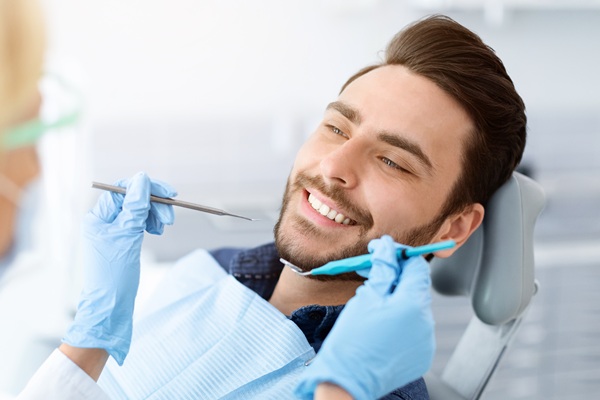
Dental bonding is one of the most versatile and minimally invasive restorative and cosmetic dental procedures. Dental bonding is the go-to procedure for many patients looking to fix imperfections or enhance their smile, from enhancing the appearance and shape of teeth to repairing damaged enamel. Whether you are new to cosmetic dentistry or considering touch-ups for specific teeth, dental bonding may be the key to restoring confidence in your smile.
What is Dental Bonding?
Dental bonding can be completed in a single visit, unlike more extensive procedures, such as crowns or veneers. It is a conservative and minimally invasive option, requiring little to no enamel removal, making it a preferred choice for those looking to preserve their natural tooth structure. The procedure involves applying a tooth-colored resin material to the tooth's surface and shape and polishing it accordingly to repair damage or conceal an imperfection. A dentist will apply a special adhesive to bond the resin to the tooth and then harden the material using a curing light. The result is a durable, attractive restoration that improves the tooth's appearance.
The versatility of dental bonding
Next to veneers, dental bonding can address the widest array of cosmetic issues affecting the teeth. Here is a closer look.
Chipped or Cracked Teeth
Bonding can easily repair small chips or cracks in teeth, restoring the tooth's original shape and function. The resin material strengthens the compromised area, reducing the risk of further damage.
Discolored Teeth
Discolored or stained teeth that do not respond to traditional whitening treatments may be remedied with dental bonding. The resin can be customized to match the shade of the surrounding teeth or to a whiter shade for a brighter smile.
Gaps Between Teeth
Minor gaps or spaces between teeth can be closed with bonding, providing a more uniform and aesthetically pleasing appearance. Additionally, some dentists offer dental bonding as a less expensive alternative to porcelain veneers.
Uneven or Irregularly Shaped Teeth
Teeth that are uneven, shorter, or irregularly shaped can be improved with dental bonding, creating a more balanced and symmetrical smile. Dental bonding may even address issues of exposed roots due to gum recession.
Benefits of Dental Bonding
The procedure is quick and convenient, which are just two reasons for its popularity. Due to its minimally invasive nature, it does not require any significant alteration to the natural enamel as dental veneers and crowns do. Also, the resin material can be precisely matched to the color of natural teeth, ensuring a seamless, realistic result. Additionally, unlike other non-reversible procedures, such as crowns and veneers, bonding is reversible, and patients can always opt for a different treatment later if they desire.
Caring for Bonded Teeth
After the procedure, patients can expect the bonded area to last several years with proper care, especially when following these tips.
- Avoid Hard Foods. Though strong, it is best not to expose bonding on teeth to excessive such as chewing ice, hard candy, or non-food objects
- Practice Good Oral Hygiene. Regular brushing, flossing, and dental check-ups help keep bonded teeth looking their best
- Limit Staining Agents. Though somewhat stain resistant, bonding can still discolor, so limit coffee, tea, red wine, tobacco, and other staining agents.
Is Dental Bonding Right for You?
Dental bonding is an excellent option for many individuals, but like all cosmetic procedures, it has its limits. For example, patients with severe dental damage or misalignment might benefit from alternative treatments, such as crowns, veneers, or orthodontics. Though dental bonding can last 3 to 10 years, it may need repairs sometimes and eventually need replacing. Also, those considering teeth whitening should have their teeth whitening procedure first so the dentists can match the bonding material to the newly lightened teeth, as bonding material does not respond to teeth whitening solutions. Consulting with a dentist is the best way to determine whether dental bonding can address specific concerns and restore the smile.
Simple and versatile smile restoration
Dental bonding can be ideal for boosting your confidence and enjoying a renewed, radiant smile that reflects your personality. For those looking to enhance their smile without invasive procedures, dental bonding offers an accessible and effective solution. This versatile treatment can correct minor flaws, strengthen weakened areas, and provide natural-looking and beautiful results. If you want to learn more about dental bonding and how it could improve your smile, consider scheduling a consultation.
Request an appointment here: https://drcalldental.com or call Dr. Call Dental Center at (706) 425-6240 for an appointment in our Dalton office.
Check out what others are saying about our dental services on Yelp: Dental Bonding in Dalton, GA.
Related Posts
Dental bonding is one of the treatment options available for individuals seeking to improve their smile. A report by the American Dental Association found that almost 33% of young adults avoid smiling due to the condition of their teeth. This statistic shows the effect of dental aesthetics on one’s social life and self-esteem. This article…
Chipping needs dental bonding so that the tooth can regain its proper structure. Trauma and decay are the most common causes of dental chipping. Both cause the tooth to weaken and break easily. Your dentist must use this treatment to correct the damage right away. Here are the details on using dental bonding to repair…
Are you considering dental bonding to repair some imperfections in your teeth? Read on to learn more. Perhaps a chipped tooth causes you to feel self-conscious or a tiny gap looks unattractive. All these problems can typically be resolved with dental bonding — and, often, in one appointment. This quick and simple process changes the…
Dental bonding is a quick and effective dental procedure that can help transform your smile. During this treatment, our team applies a tooth-colored resin material to your teeth, hardening it with a special light and shaping it to fit your unique dental needs. Dental bonding can effectively treat various cosmetic issues and help you achieve…