The Difference Between Dental Inlays and Dental Crowns
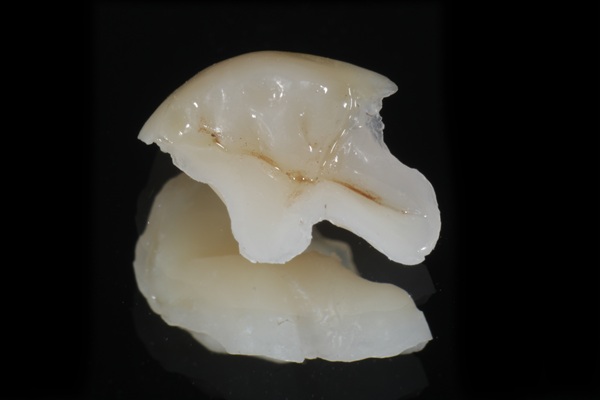
Dental inlays and crowns are two common restorative options for repairing damaged or decayed teeth. While both restore the tooth's functionality and appearance, they have different purposes and address different dental conditions. Both options are custom-made and provide durable solutions for restoring oral health and enhancing your smile. Understanding the differences between dental inlays and crowns is essential when determining the most appropriate treatment for your needs.
What are dental inlays?
Dental inlays are a type of indirect restoration that repairs damage or decay within the cusps of teeth. They are custom-made from porcelain, composite resin, or gold to match the tooth's shape and color, ensuring a seamless and natural appearance.
Inlays are an excellent choice when a cavity is too large for a traditional filling but does not require the full coverage of a crown. They provide a conservative approach to tooth restoration, preserving as much of the natural tooth structure as possible.
The process for receiving a dental inlay typically involves two appointments. During the first visit, the dentist removes the decayed or damaged portion of the tooth and takes an impression of the prepared area. This impression is sent to a dental laboratory, where the inlay is crafted to fit precisely. At the second visit, the inlay is bonded to the tooth, restoring its function and appearance.
What are dental crowns?
Dental crowns, often called caps, are restorations that completely cover a damaged or weakened tooth. This procedure addresses extensive while also addressing a tooth that requires additional protection against further deterioration. Crowns are also commonly used after root canal therapy or to restore a tooth that has suffered significant wear or fracture.
Crowns can contain various materials, including porcelain, ceramic, metal, or a combination. Porcelain and ceramic crowns are popular because they mimic the appearance of natural teeth, while metal crowns are popular for their strength and durability.
The placement of a dental crown also involves two appointments. During the first visit, the dentist prepares the tooth by removing damaged or decayed material and shaping it to accommodate the crown. Then, an impression of the prepared tooth is taken and sent to a laboratory. A temporary crown is placed to protect the tooth until the final crown is ready. During the second visit, the permanent crown is cemented into place, fully restoring the tooth.
Key differences between dental inlays and crowns
While dental inlays and crowns restore teeth in a similar way, they differ in scope, application, and amount of tooth structure they address.
Extent of Damage
Dental Inlays are ideal for moderate damage confined to the tooth's biting surface and do not extend beyond the cusps. On the other hand, dental crowns are ideal for severe damage or decay that compromises the overall strength of the tooth, covering the entire visible portion above the gumline.
Preservation of Tooth Structure
Dental Inlays have a more conservative option, as they preserve the majority of the natural tooth structure. However, dental crowns require more extensive preparation, as a significant portion of the tooth is reshaped to fit the crown.
Appearance and Fit
Both inlays and crowns are custom-made to ensure a natural appearance and precise fit. Porcelain and ceramic materials blend seamlessly with the surrounding teeth.
Functionality
Dental Inlays provide strong support for the biting surface and are particularly effective for chewing. Dental crowns offer comprehensive protection and are better suited for teeth that endure high-stress levels or are at risk of further damage.
Cost
Dental crowns are typically more expensive than inlays due to their complexity and the amount of material required.
In some cases, a dental inlay may suffice to restore the tooth, offering a minimally invasive and cost-effective option. However, if the tooth’s structure is severely compromised, a dental crown may be necessary to provide the protection and support needed for long-term success.
Consult a dentist today
Understanding the differences between dental inlays and dental crowns helps patients make informed decisions about their oral health. While both options serve to restore damaged teeth, they are tailored to address specific levels of damage and functionality. Dental inlays provide a conservative approach for moderate decay, preserving the natural tooth structure, while dental crowns offer comprehensive coverage for more extensive damage.
During an appointment, we will go over each option and help you determine which one works best for your oral health and needs. Consulting with a cosmetic dentist ensures the best treatment choice for restoring oral health and achieving a confident smile. For more information, schedule a consultation visit today at Dr. Call Dental Center.
Request an appointment here: https://drcalldental.com or call Dr. Call Dental Center at (706) 425-6240 for an appointment in our Dalton office.
Check out what others are saying about our services on Yelp: Dental Inlays in Dalton, GA.
Related Posts
An implant dentist replaces missing teeth with durable, natural-looking dental implants. Choosing the right provider is essential for long-term success, as implants require precise placement and proper integration with the jawbone. Patients seeking a permanent solution for tooth loss can benefit greatly from the expertise of an implant dentist. Understanding the advantages of specialized treatment…
When tooth loss occurs, simple tasks such as chewing and speaking may be difficult, and the appearance of a smile can be affected. An implant dentist uses dental implants to address these issues, as the restorations integrate directly with the jawbone, creating a long-lasting foundation for replacement teeth. The process not only restores the look…
Dental implants are a reliable way to replace missing teeth. They can improve how you eat and speak, as well as enhance the appearance of your smile. Choosing the right implant dentist ensures a successful treatment outcome. Here are five essential questions for an implant dentist during your initial consultation.Choosing the right dentist for implants…
An implant dentist focuses on placing and caring for artificial tooth roots that hold replacement teeth in position. Dental implants can be a long-lasting solution for individuals who have lost teeth due to decay, injury, or other oral health concerns. Although implants can remain functional for many years, consistent attention is crucial to preserve their…